2026-09-20
In the stainless steel industrial material system, 304 stainless steel coils are recognized as the most versatile, having the widest applicable scenarios and the most balanced cost-performance ratio, as the basic austenitic stainless steel coil! Whether for architectural decoration, food light industry, municipal equipment, or conventional industrial anti-corrosion, sheet metal processing, pipe insulation, 304 stainless steel coils are the industry's preferred standard material.
Many practitioners often get confused when choosing materials: 201 stainless steel is prone to rust and has poor weather resistance, and cannot be used in outdoor humid conditions; 316L, 2304, 2205 and other materials have stronger performance but higher procurement costs, and there is a serious performance surplus in ordinary conditions. However, 304 stainless steel coils, with a 18% chromium and 8% nickel golden ratio, perfectly balance corrosion resistance, processing performance, toughness and cost, becoming a universal coil material for both indoor and outdoor use, suitable for cold and hot processing, and applicable to both civilian and industrial fields. Today, this original and valuable article thoroughly dissects the brand name interpretation, core performance, mechanical parameters, production process, surface types, application scenarios, selection comparison and procurement avoidance tips of 304 stainless steel coils, suitable for sheet metal processing, engineering procurement, equipment manufacturing, and decoration engineering practitioners to collect and reference!
1. What is 304 stainless steel coil?
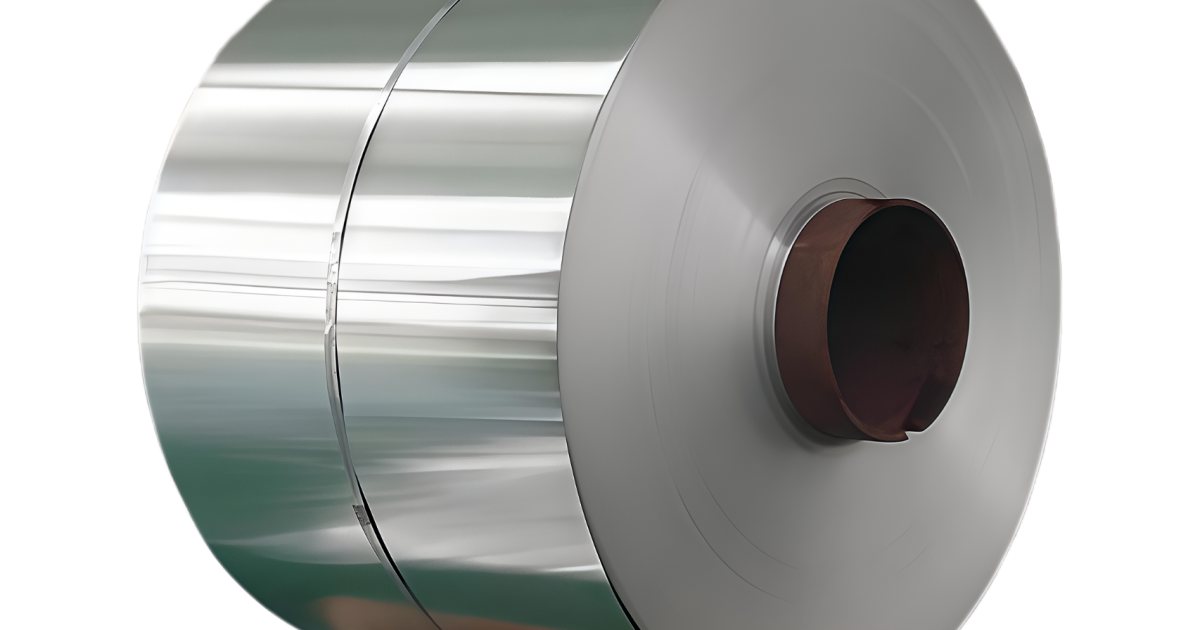
304 stainless steel coil is the core coil product of the 300 series chromium-nickel austenitic stainless steel. It is the standard brand name 06Cr19Ni10 of the national standard, the American standard AISI 304, and the European standard 1.4301. It is also the most widely circulated and most popular general-purpose stainless steel coil in the market.
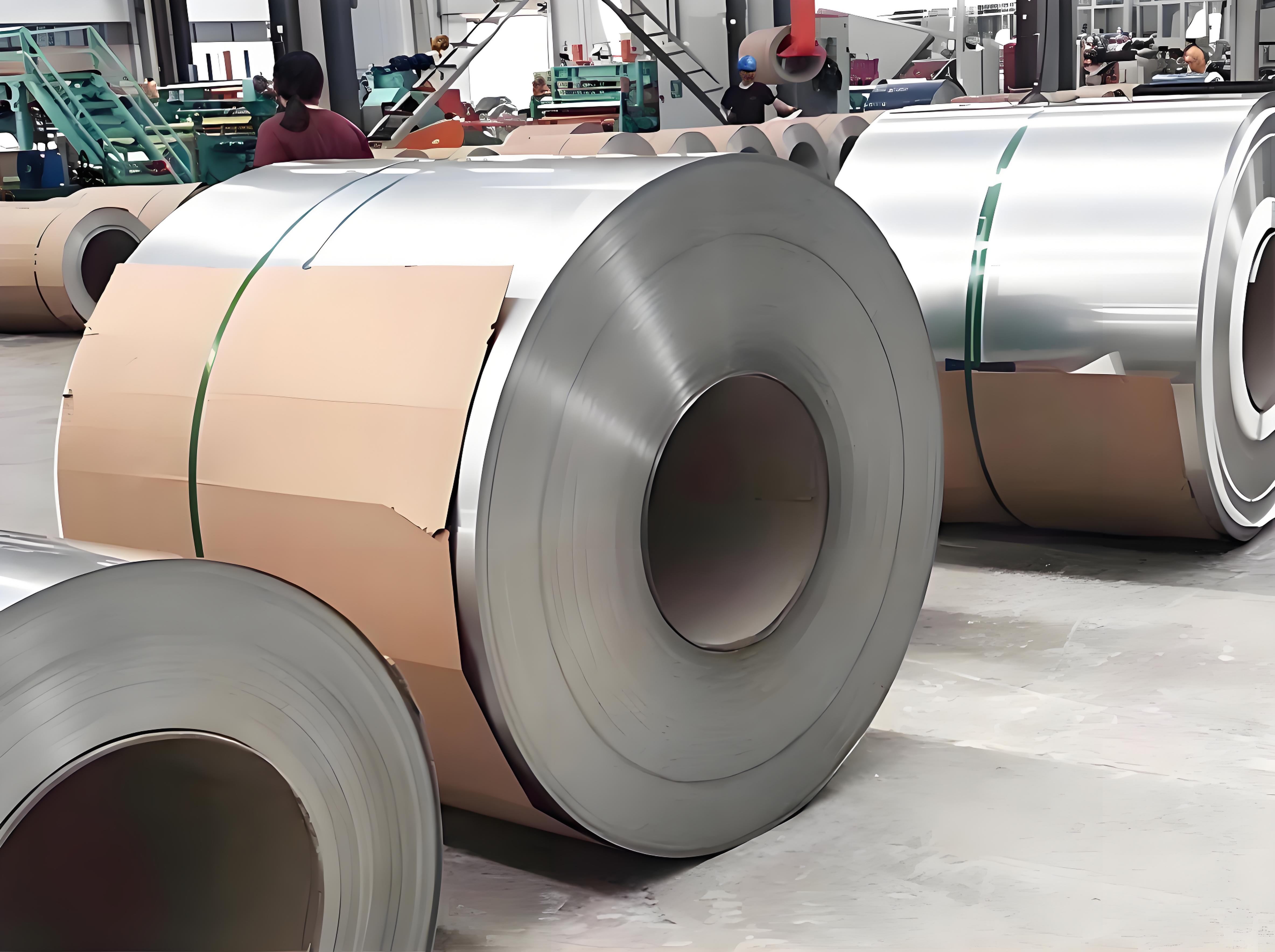
Different from 201 high-manganese low-nickel stainless steel and 430 ferritic stainless steel, 304 stainless steel coil adopts a standard 18-8 chromium-nickel alloy ratio, with a pure austenitic metallographic structure, no magnetism, excellent toughness, not prone to rust, and extremely strong plasticity in processing. The coil form is continuous rolling into a coil, which can be cut into strips, flattened, sheared, bent, and adapted for large-scale sheet metal, coating, wire drawing, mirror surface deep processing, suitable for industrial and civil use.
Complete international brand name precise comparison, completely solving the problems of selection confusion and standard mismatch:
General name: 304 stainless steel coil, 18-8 stainless steel coil, 06Cr19Ni10 coil
American standard name: AISI 304, UNS S30400
European standard name: 1.4301
Execution standard: GB/T 3280, ASTM A240, EN 10088
Core component logic is simple and understandable: carbon ≤ 0.08%, chromium 18.0%–20.0%, nickel 8.0%–10.5%. The high chromium forms a dense and stable oxide passivation film, which can effectively resist oxidation and rust in air, rain, and humid environments, resistant to mild corrosion from freshwater, weak acids, weak alkalis, and salt, and has a much better weather resistance than 201 and 430 stainless steel.
Excellent plasticity and toughness, suitable for all types of processing: The austenitic structure has uniform texture and high elongation rate, enabling easy bending, stamping, stretching, coiling, shearing, cutting, and splitting without cracking or brittle fracture. It is suitable for various deep processing techniques such as kitchenware stretching, sheet metal forming, pipe rolling, and decorative bending.
Hygienic and safe without leaching, food-grade applicable: The material is stable, with metal element leaching meeting standards, without odor, corrosion-resistant, easy to clean, and in line with hygiene standards for food, medicine, and daily equipment. It is the basic material for food processing equipment, kitchenware hardware, and water purification equipment.
High-temperature resistant and antioxidant, stable in medium-temperature conditions: It can withstand continuous high temperatures up to 800°C, and does not oxidize or peel in medium-temperature environments, and does not deform. It is suitable for equipment insulation, high-temperature air ducts, and conventional heat exchange equipment guard plates and other conditions.
Non-magnetic pure structure, applicable to special scenarios: After solution treatment, it basically has no magnetism, and can be used in precision equipment, electrical cabinets, and magnetic-sensitive equipment shells, suitable for scenarios where ordinary stainless steel cannot meet the requirements of no magnetism.
Brief summary: For indoor decoration, humid environments, food equipment, regular anti-corrosion, sheet metal processing, choose 304. It has the highest cost performance and is least likely to fail; to save money, use 201, which is prone to rust; to have stronger anti-corrosion, upgrade to 316L.
III. Core mechanical parameters of 304 stainless steel coil
The 304 stainless steel coil is produced by hot-rolled billet cold rolling refinement and high-temperature solution annealing process. The metallographic structure is uniform and stable, with low internal stress, flat surface, and uniform performance, suitable for various precision processing and conventional load-bearing anti-corrosion conditions. The core parameters are as follows:
Tensile strength: ≥ 520 MPa, sufficient structural strength, excellent conventional load-bearing and anti-deformation performance
Yield strength: ≥ 205 MPa, excellent toughness, not prone to cracking during stamping and stretching
Elongation rate: ≥ 40%, excellent plasticity, no pressure in complex bending and deep stretching forming
Hardness: ≤ 201HB, moderate hardness, balancing wear resistance and precision processing performance
Density: 7.93 g/cm³, industry standard density, precise weight calculation
Temperature range: -196°C to 800°C, stable performance in high and low temperature environments, not prone to failure
Core characteristics: rust-proof and weather-resistant, high toughness, easy processing, non-magnetic, hygienic and environmentally friendly, ultimate cost performance
Performance highlights: The 304 stainless steel coil has balanced comprehensive performance without obvious flaws, no obvious defects, and is the preferred stainless steel coil material for "no mistakes, low cost, high adaptability" in regular working conditions.
IV. Production process and common surface types
1. Standardized production process
Using hot-rolled steel billets as raw materials, through multiple passes of cold rolling reduction and precise thickness control rolling, followed by 1050–1100°C high-temperature solution annealing treatment to eliminate work hardening, uniform metallographic structure, and enhance toughness and corrosion resistance; subsequently, it undergoes acid washing and passivation, finishing, surface grinding, coating, and winding. The entire process strictly controls the flatness of the plate surface, thickness tolerance, and surface brightness, without roll marks, black spots, or scratches, suitable for various precision processing and decorative scenarios.
2. Main surface types (commonly used in engineering)
2B surface (cold-rolled matte): The most common in the market, with a fine matte surface, high flatness, and can be further processed by polishing, mirror finish, or sandblasting, suitable for industrial equipment, sheet metal enclosures, and anti-corrosion guard plates.
BA mirror finish (bright surface): Ultra-high brightness mirror effect, high gloss, easy to clean, used for decorative facades, kitchen and bathroom panels, and precision appearance parts.
Polished/etched surface: Anti-scratch and high-quality texture, widely used in elevator decoration, indoor wall panels, and hardware decorative parts.
Hot-rolled black or white skin coil: Large thickness, high strength, used for heavy equipment, anti-corrosion projects, and pipe insulation layers.
V. Core application fields of 304 stainless steel coil
Selection mnemonic: For ordinary atmosphere, indoor and outdoor humid environments, no strong corrosive conditions, seeking stability and durability, high cost performance, directly choose 304 stainless steel coil!
1. Building decoration, curtain wall projects Interior and exterior decorative wall panels, elevator car decoration, ceiling curtain walls, outdoor signboards, municipal decorative components, waterproof and anti-corrosion surface layers. Weather-resistant and rust-proof, not prone to discoloration, with high texture quality. Long-term outdoor use does not rust or oxidize, and the decorative stability is excellent.
2. Food kitchen and bathroom, daily light industrial equipment
Cookware panels, sink inner cavities, food processing operation tables, baking equipment shells, water purification equipment shells, general medical anti-corrosion components. Hygienic and non-toxic, no metal leaching, easy to clean, corrosion-resistant, fully meeting the standards for civilian clean materials.
3. Industrial sheet metal, equipment shells
Mechanical equipment shells, electrical control cabinet bodies, environmental protection equipment guard plates, fan air duct openings, conveying equipment panels. Easy to bend and stamp, flat surface, rust-proof and durable, suitable for large-scale sheet metal forming processing, with high product qualification rate.
4. Pipe insulation, anti-corrosion protective layers
Thermal pipeline insulation outer protection, chemical pipeline protective plates, equipment outer protective layers, tank anti-corrosion surface layers. Lightweight and thin, weather-resistant and anti-aging, can be rolled and constructed on-site, installation is convenient, and the protection period is long.
5. Hardware products, precision processing
Stainless steel pipe fittings, stamping hardware, precision stretching parts, decorative strips, sealing strips, non-standard sheet metal parts. Excellent plasticity, beautiful forming, low processing cost, is the basic core sheet material for advanced hardware processing.
6. Environmental protection, municipal general anti-corrosion
Wastewater treatment mild corrosion components, exhaust equipment shells, municipal guardrail surface coating, outdoor public facilities anti-corrosion surface layers. Tolerant to dampness and weak acid and alkali environments, long-term stable, low operation and maintenance costs.
Six. Detailed advantages and disadvantages of 304 stainless steel rolls Core advantage
Versatility is at its peak, with an extremely wide range of application scenarios: covering over 90% of common anti-corrosion, decoration, and sheet metal processing conditions, both indoor and outdoor, without any usage threshold. It is the universal basic material in the industry.
Processing performance is top-notch, with no pressure during forming: high toughness and good elongation, no cracking during stretching, bending, or coiling, suitable for various complex forming processes, with a processing tolerance rate far exceeding 201 and 430.
Weather resistance and rust prevention are stable, and it is not prone to rust: with a 18-8 standard chromium-nickel ratio, the passivation film is stable, and it does not rust even in humid, rainy, or atmospheric environments for long-term use, with superior weather resistance far exceeding that of economical stainless steel.
Hygiene and safety, the preferred choice for civil use: the material is compliant, with no harmful substances leaching out, suitable for food, medicine, and daily products, and is the only affordable food-grade general stainless steel sheet.
Outstanding cost performance, controllable costs: stable performance, moderate price, without the premium of high-end stainless steel, and large-scale engineering materials can significantly reduce the budget.
Inherent shortcomings
Insufficient adaptation to strong chlorine corrosion conditions: without molybdenum element support, high-salt, high-chlorine seawater, and strong acid conditions are prone to pitting and rust spots, and cannot replace 316L, 2304, or 2205.
Limited for high-strength pressure-bearing conditions: the yield strength is low, not suitable for high-pressure, heavy-load, and high-strength structural bearing conditions.
Cold processing will cause weak magnetism: in the solution state, there is no magnetism, and after bending, stamping, or cold rolling processing, it will produce a weak magnetic property, slightly affecting high-precision non-magnetic scenarios.
VIII. Core Tips for Avoiding Pitfalls in Procurement and Processing
Recognize the national standard 18-8 ratio: formal 304 chromium ≥ 18% and nickel ≥ 8%. Purchase must undergo spectral testing to ensure no low-nickel non-standard or recycled materials are passed off as genuine products, avoiding outdoor rust and failure.
Choose surface treatment as needed: industrial sheet metal, anti-corrosion guard plates select 2B matte; decorative appearance, kitchen and bathroom equipment select BA mirror finish or brushed surface, balancing appearance level and practicality.
Strictly control thickness tolerance: for precise processing and appearance parts, select national standard tolerance sheets, for common anti-corrosion layers, choose conventional tolerance, reasonably controlling costs.
choose solution annealed sheets: formal finished products have undergone high-temperature solution treatment, with good toughness, no hard points, and no cracking during bending, avoiding hard products leading to processing failure. Summary
The 304 stainless steel coil (06Cr19Ni10/1.4301) is the benchmark sheet material for general austenitic stainless steel. With its 18% chromium and 8% nickel alloy ratio and stable austenitic structure, it perfectly achieves the comprehensive advantages of rust prevention, weather resistance, hygiene and safety, ease of processing, and high cost-effectiveness.
Although it is not suitable for extreme corrosive conditions such as high chloride and strong acids, or high-pressure and heavy-load working environments, it is outstanding in balanced performance, wide adaptability, mature processing, and affordable cost. It is the preferred general stainless steel coil for most common working conditions such as architectural decoration, food and light industry, industrial sheet metal, municipal anti-corrosion, pipeline insulation, etc., providing durability without failure and cost reduction and quality improvement!