
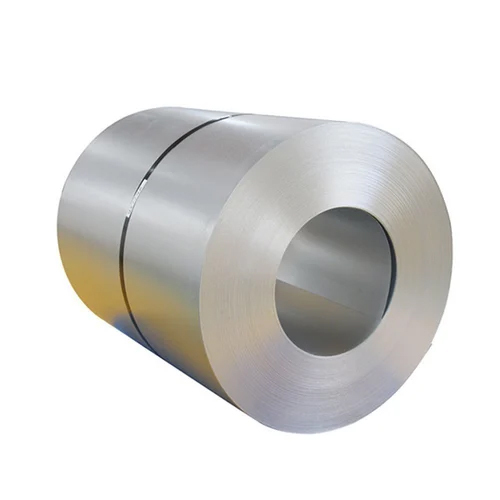
316L stainless steel coil
316L low-carbon stainless steel coil with superior corrosion resistance, especially in chloride environments. Suitable for marine, chemical, pharmaceutical, and medical equipment fabrication.
Product Details
The 316L stainless steel coil is a type of stainless steel material with excellent heat resistance and corrosion resistance, which complies with national standards GB, American standards ASTM, Japanese standards JIS, and has passed ISO9002 certification. Its carbon content is 0.03. The product states include 2B, BA, fully soft, semi-hard, fully hard coil bands, etc. The application fields cover electric heating tubes, corrugated pipes, marine oil piping, chemical packing materials, and computer stamping parts, etc.
The material specifications range from 0.03 to 5.0mm in thickness, with Vickers hardness ranging from 160 to 600 degrees. The material series include SUS316L, SUS303, and SUS304, etc. The surface treatments include 2B smooth surface, No.1 industrial surface and mirror surface, brushed surface, and frosted surface types. The base materials are divided into domestic and imported (Sweden, Japan, Finland, South Korea, South Africa). The mechanical properties include tensile strength indicators, and the hardness status of the products covers cold rolled ANN (DDQ), 1/4H to SH grades.
316L stainless steel coil is a type of stainless steel material with excellent heat resistance and corrosion resistance, which complies with national standards GB, American standards ASTM, Japanese standards JIS, and has passed ISO9002 certification. Its application fields cover electric heating tubes, corrugated pipes, marine oil piping, chemical packing materials, and computer stamping parts, etc.
Corrosion resistance
The corrosion resistance of this material is superior to 316 stainless steel, and it has good corrosion resistance in the production of pulp and paper. Moreover, 316 stainless steel is also resistant to erosion from marine and corrosive industrial atmospheres. Heat resistance
For intermittent use below 1600 degrees and continuous use below 1700 degrees, 316 stainless steel exhibits excellent oxidation resistance. Within the temperature range of 800 to 1575 degrees, it is not advisable to continuously use 316 stainless steel. However, when 316 stainless steel is continuously used outside this temperature range, it has good heat resistance. The resistance of 316L stainless steel to carbide precipitation is better than that of 316 stainless steel, and it can be used within the aforementioned temperature range.