
2026-09-20
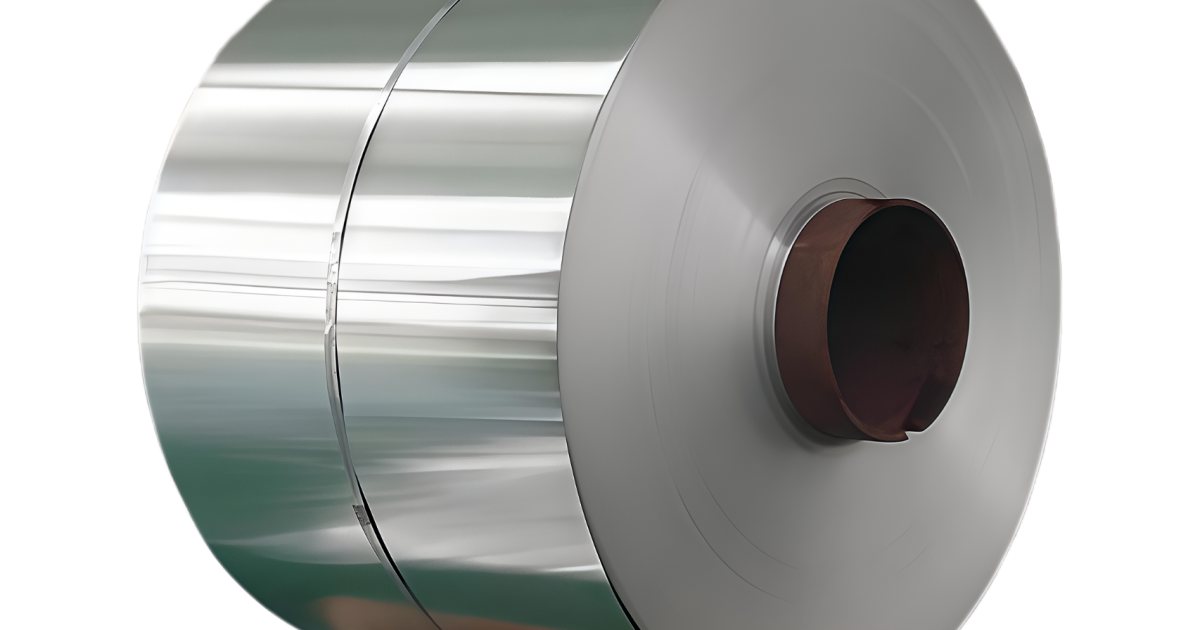
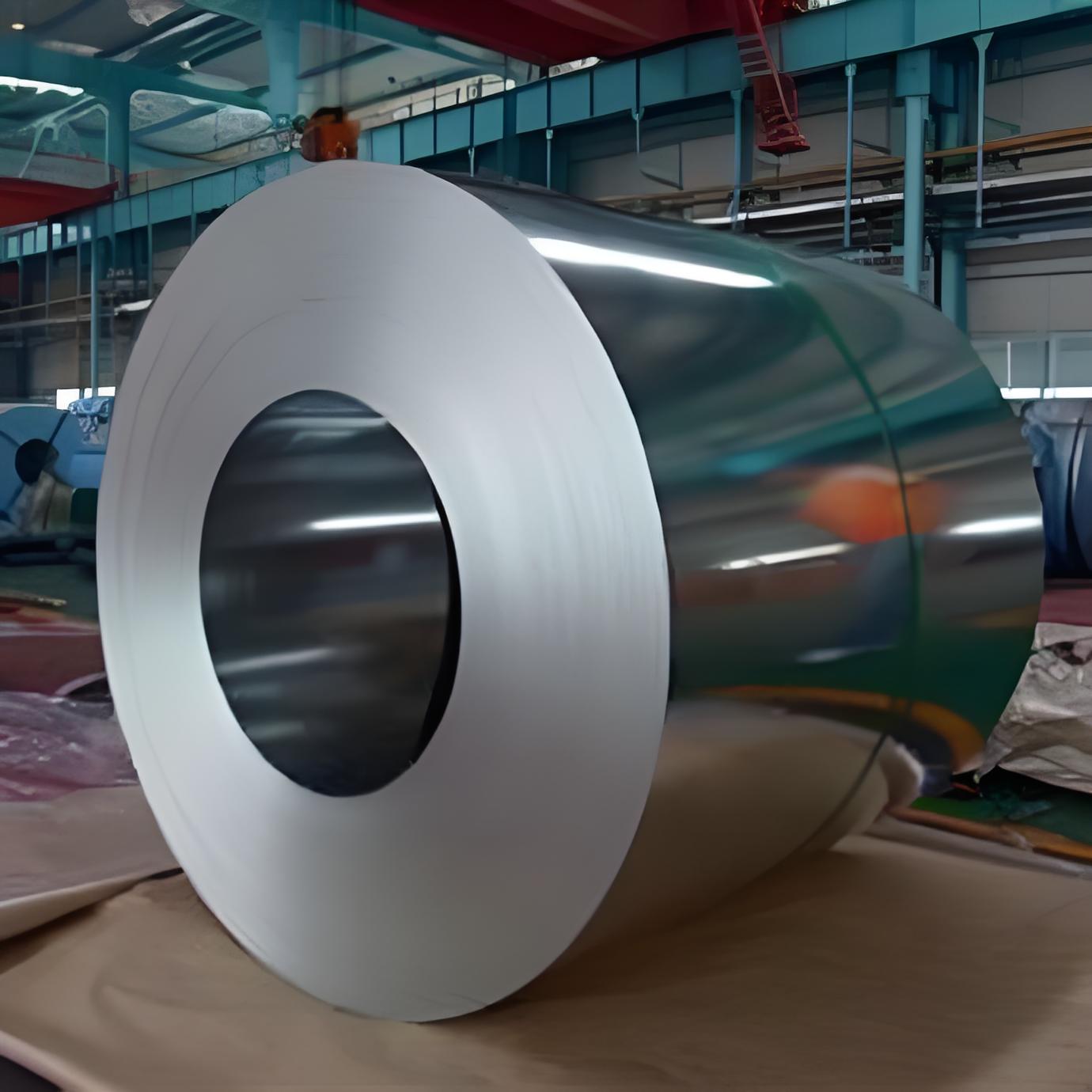
The stainless steel coil is a rolled sheet material made from stainless steel. It features corrosion resistance, high strength, and ease of processing. It is widely used in fields such as automotive manufacturing, precision electronics, sanitary fixtures, pressure vessels, catering kitchenware, and chemical equipment. Its core value lies in meeting the durability, hygiene standards, and structural strength requirements of different industries through the material's properties. The 304 stainless steel coil, as the mainstream model in the market, has become the preferred choice in most scenarios due to its excellent comprehensive performance.
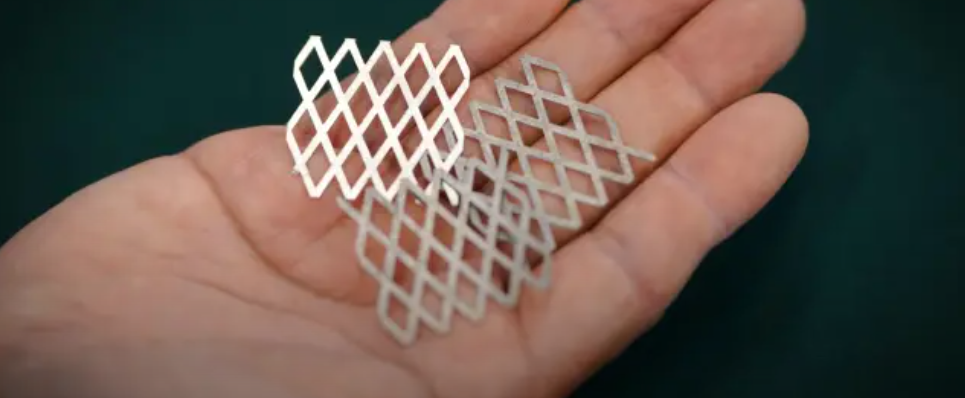
Take 304 stainless steel coils as an example. The chemical composition of these coils contains no less than 18% chromium and no less than 8% nickel. This ratio endows the material with excellent corrosion resistance, especially in humid or weakly corrosive environments. Common specifications include thicknesses of 0.3mm, 0.38mm, 0.4mm, 0.45mm, and 0.5mm, with widths typically being 1000mm. The length can be customized according to requirements. Surface treatment processes such as 2B finish (matte finish) can reduce light reflection and are suitable for scenarios requiring concealment or scratch resistance, such as the inner walls of dining kitchenware or the shells of electronic devices. In terms of processing services, stainless steel coils support advanced processing or rough processing services such as stamping, bending, flattening, and cutting. For example, a 0.35mm thick stainless steel sheet can be formed by stamping to quickly produce roof tiles, meeting the dual requirements of lightweight and durability in the construction industry; while a 0.5mm thick coil can be bent and used to manufacture the structural framework of chemical equipment, with its strength sufficient to withstand high-pressure environments. Additionally, the custom sample service allows users to verify material performance first and then produce in batches, reducing the cost of trial and error. From the perspective of application scenarios, the automotive industry uses 0.3mm-0.4mm stainless steel coils to manufacture exhaust system components, taking advantage of their high-temperature resistance to extend service life; in the precision electronics field, 0.38mm thickness coils are selected, and high-precision circuit board substrates are produced through etching processes; the catering industry prefers 0.45mm thickness, as it combines strength and ease of cleaning, suitable for making commercial kitchen equipment. The selection of different thicknesses requires comprehensive consideration of cost, processing difficulty, and usage environment. For example, chemical equipment, due to its need to come into contact with corrosive media for a long time, usually selects a thickness of 0.5mm or above to ensure safety.