
2026-09-20
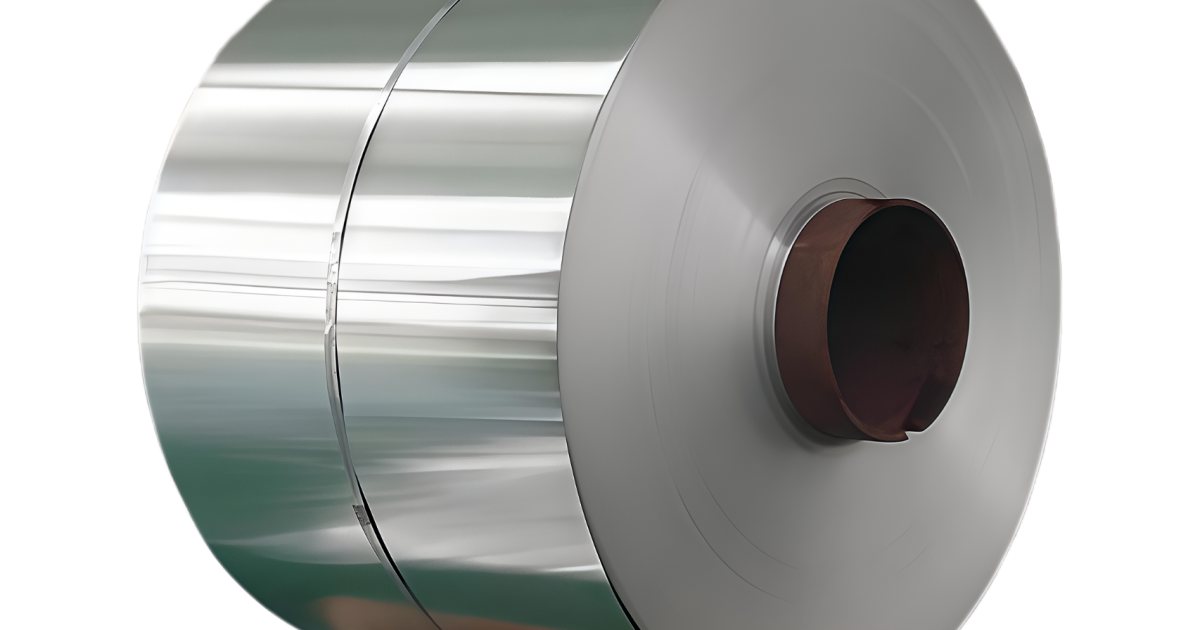
Cold rolled and hot rolled 304 stainless steel coil are not interchangeable descriptions. Both may use the same stainless grade, but their production routes lead to different surface conditions, dimensional control, and suitability for downstream fabrication. Selecting the right route starts with the finished part rather than the grade name alone.
Hot rolling reduces the slab at elevated temperature. It is commonly used for heavier gauges and provides the starting material for many subsequent processes. Cold rolling further reduces material at lower temperature after prior processing. This route is typically selected where closer thickness control, a smoother surface, or thinner gauge is required.
The applicable standard, final finish, and agreed tolerances should be listed separately. Terms such as “cold rolled” and “hot rolled” do not by themselves define a complete purchase specification.
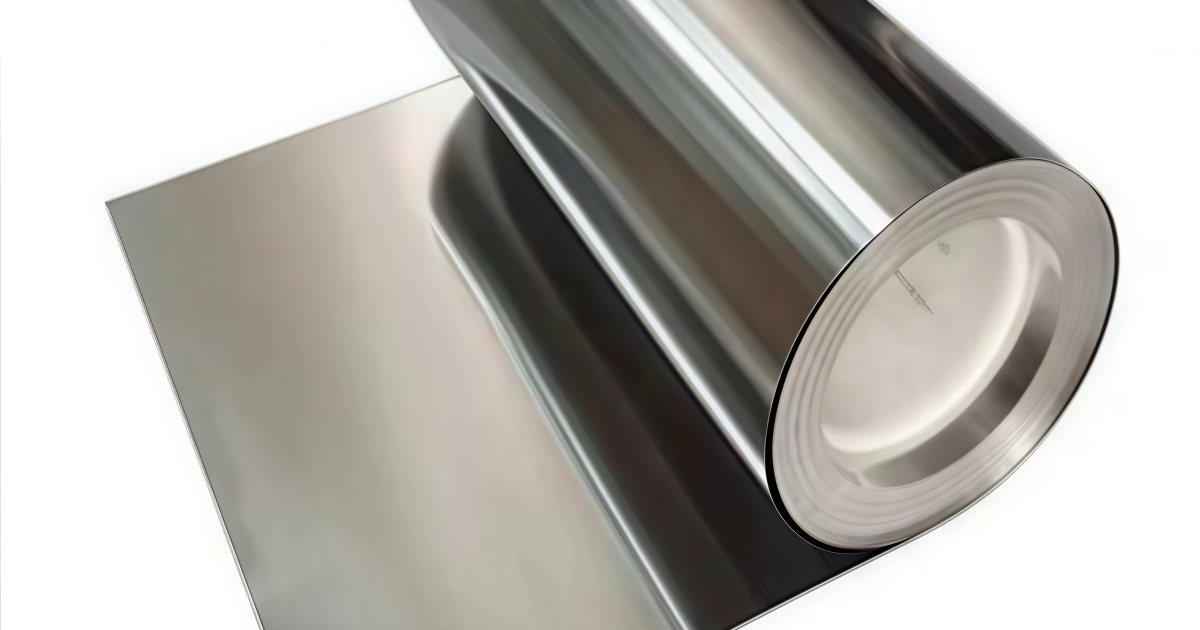
Cold-rolled material is often selected for applications where the surface will remain visible, be polished, coated, stamped, or used as a controlled base for further finishing. Common finish discussions include 2B, BA, and No.4, but each finish should be confirmed against the relevant standard and sample requirement.
Hot-rolled material is generally used where heavier section, structural fabrication, or subsequent processing is more important than a bright decorative appearance. A No.1-type finish is often discussed for hot-rolled plate and coil, but buyers should define the required surface condition rather than assuming a finish from the grade.
Cold-rolled 304 coil can be appropriate for precision forming, appliance components, trim, kitchen equipment, and fabricated sheet parts where thickness control and surface condition matter. Hot-rolled 304 coil can be appropriate for heavier fabrication where later cutting, welding, or machining is expected.
Compare quotations on the same technical basis: grade, standard, rolling route, finish, thickness tolerance, width tolerance, coil weight, inner diameter, edge, and packaging. A lower price does not indicate equivalent material when these fields differ. Request a material test certificate when chemical composition and mechanical-property traceability are required.
Use the 304 stainless steel coil product page to organize an RFQ, then provide your finished-part requirements so the material route can be confirmed before production.
Changing rolling route or finish after tooling, samples, or production planning has started can affect forming performance, appearance, and yield. A short technical review before ordering is usually more effective than trying to correct the material choice after delivery.