
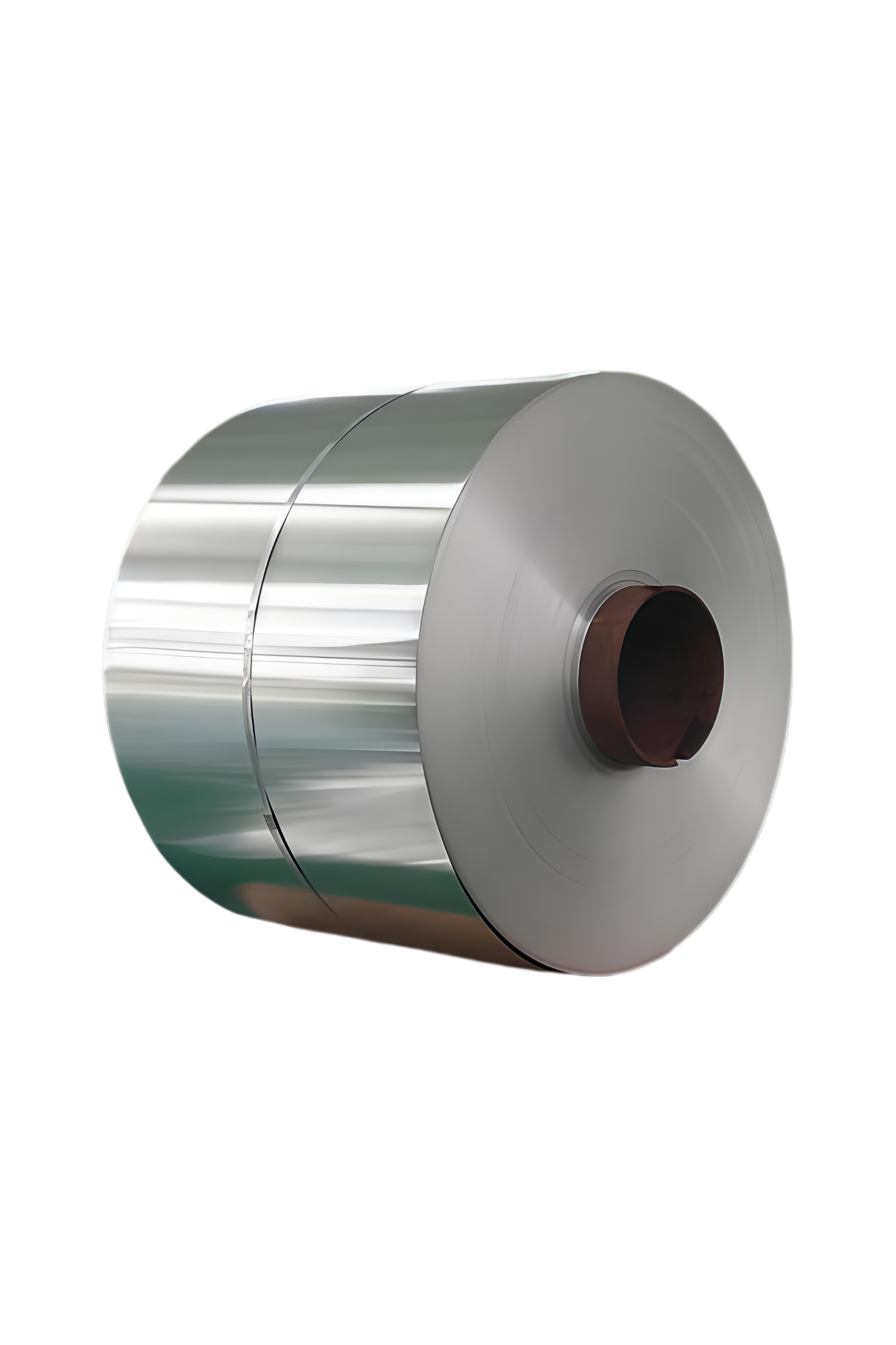
304 Stainless Steel Coil: Specifications & Custom Processing
304 Stainless Steel Coil is a versatile austenitic stainless steel coil with good corrosion resistance, heat resistance, plasticity and processing performance. It is commonly used in architectural decoration, machinery manufacturing, food processing, medical devices, industrial equipment and custom fabrication.
Product Details
304 stainless steel coil is a general-purpose austenitic stainless steel coil used where corrosion resistance, formability, and weldability are required. It is commonly identified as AISI 304, UNS S30400, SUS304, or EN 1.4301. The material is suitable for a wide range of fabricated products, but the final grade, finish, temper, and dimensions should be confirmed against the buyer's drawing and applicable standard.
For purchasing, the important distinction is not only “304” on a label. Thickness tolerance, width tolerance, surface finish, coil weight, edge condition, and mill test documentation can all affect yield and downstream processing. Provide those requirements when requesting a quotation.
304 Stainless Steel Coil Specifications
| Item | Typical request options | Order note |
|---|---|---|
| Thickness | Thin-gauge coil through medium-gauge strip | State nominal thickness and permitted tolerance. |
| Width | Standard mill widths or slit strip | State finished width, edge requirement, and burr limit. |
| Surface | 2B, BA, No.4, HL, mirror, or mill finish | Use a sample or finish standard when appearance is critical. |
| Coil form | Coil, slit coil, or cut-to-length sheet | Confirm inner diameter, maximum coil weight, and packaging method. |
| Standards | ASTM, EN, JIS, GB, or buyer specification | Confirm the governing standard before production or shipment. |
Availability varies by finish, thickness, width, and mill. A quotation should list the final tolerances and the agreed inspection standard rather than relying on typical values alone.
Typical 304 Material Properties
| Property | Typical reference |
|---|---|
| Chromium | About 18–20% |
| Nickel | About 8–10.5% |
| Carbon | Up to 0.08% for standard 304 |
| Density | Approximately 7.93 g/cm³ |
| Corrosion resistance | Good in many atmospheric, food-processing, and general industrial environments |
Values are general references, not a certificate of analysis. For a contractual order, verify the chemical and mechanical requirements against the applicable material standard and the mill test certificate.
Surface Finish and Processing Selection
2B is commonly selected where a smooth, practical cold-rolled surface is needed. BA is used where a brighter appearance is required. No.4 and hairline finishes are common for decorative fabrication, while mirror finishes need agreed visual acceptance criteria. If the coil will be deep drawn, bent, polished, or welded, specify the intended process before ordering.
FuChuan Metal can discuss coil slitting, cut-to-length processing, and packing requirements with the inquiry. Include the destination port, order quantity, and whether the material will be exposed to chloride, marine, acidic, or high-temperature service.
304 vs 304L vs 316L Stainless Steel Coil
| Grade | When to consider it | Related product |
|---|---|---|
| 304 | General corrosion-resistant coil for fabricated products and common industrial applications. | Standard 304 coil |
| 304L | Low-carbon alternative often considered for welded fabrications where post-weld corrosion performance is important. | 304L stainless steel coil |
| 316L | Consider where chloride exposure or a more demanding corrosive environment requires improved resistance. | 316L stainless steel coil |
How to Request a 304 Coil Quote
State the grade and standard required.
Provide thickness, width, surface finish, temper, and edge condition.
Specify coil weight, quantity, processing requirement, and destination.
Ask for the offered mill, lead time, packing method, and material test documentation.
Frequently Asked Questions
Is 304 stainless steel coil magnetic?
Annealed 304 is generally non-magnetic or only weakly magnetic. Cold work and processing can increase magnetic response in some areas, so magnetism alone is not a reliable grade-identification method.
What is the difference between hot-rolled and cold-rolled 304 coil?
Cold-rolled coil is typically chosen for tighter thickness control and smoother finishes. Hot-rolled coil is often selected for heavier gauge applications and different surface requirements.
Can 304 coil be used for food equipment?
304 is widely used in food-equipment applications, but suitability depends on the design, finish, cleaning chemicals, service conditions, and local regulatory requirements.
What documents should a buyer request?
Request the applicable material test certificate and confirm the standard, heat number traceability, dimensions, tolerances, and inspection requirements before shipment.
304 Stainless Steel Coil Specification Reference
This reference reflects common 304/2B cold-rolled order specifications. Confirm delivery form, dimensions, availability and documentation when requesting a quotation.
| Item | Specification reference |
|---|---|
| Grade / finish | 304 / 2B, cold rolled |
| Nominal thicknesses | 0.8, 1.0, 1.2, 1.5, 2.0, 2.5, 3.0 and 3.5 mm |
| Common dimension references | 1500 × 3000 mm; 1524 × 3000 mm; 1530 × 3000 mm |
| RFQ details | State required thickness, dimensions, quantity, finish, delivery form, destination and documentation requirements. |
Related Technical Guides
Use these guides to define material requirements before requesting a quotation.